

The statement of retained earnings can either be an independent financial statement, or it can be added to a small business balance sheet. When it comes to managing your business’s finances, you can never be too organized. Creating financial statements paints a picture of your company’s financial health. Financial statements help with decision making and your ability to get outside financing. This information is vital for understanding the company’s tax liability and making informed decisions about tax planning. Another way the statement of retained earnings relates to accounting is by providing information about dividend payments.
- This amount can be found on the previous period’s statement of retained earnings or balance sheet.
- The statement of retained earnings is most commonly presented as a separate statement, but can also be appended to the bottom of another financial statement.
- You can find the ending retained earnings from the equity portion of the balance sheet for the previous accounting period.
- The statement of retained earnings is a financial document that reconciles the beginning and ending retained earnings for a specific period.
- Changes in accounting estimates, such as depreciation methods or inventory valuation, are applied prospectively, affecting only current and future financial statements.
Statement of retained earnings

Properly managing and reporting these earnings can significantly impact a company’s long-term success and investor confidence. The statement of retained earnings is not one of the main financial statements like the income statement, balance sheet, and cash flow statement. And like the other financial statements, it is governed by generally accepted accounting principles. The concept statement of retained earnings refers to the financial document that summarizes the accumulated earnings of a company that have been kept for future use. It records all the net profits a company has made, less any dividends paid to shareholders, that have been reinvested in the business.
What are Adjustments for Errors and Changes in Accounting Policies?
But bear in mind, this isn’t a compulsory tradition; some companies choose to reinvest profits back into the business instead. It’s crucial to remember that sales revenue, cost of goods sold, depreciation, and operating expenses—among other line items on your income statement—play a big Medical Billing Process part in shaping this number. Non-cash items like write-downs, impairments, and stock-based compensation are the behind-the-scenes crew that also influence the plot. For an analyst, the absolute figure of retained earnings during a particular quarter or year may not provide any meaningful insight. Observing it over a period of time (for example, over five years) only indicates the trend of how much money a company is adding to retained earnings.
Role in Shareholders’ Equity

It is a type of financial statement that is important to assess how a company utilizes its retained earnings. The statement of cash flows includes information on where a company’s money is coming from (revenue) and going (expenses). This information can be helpful in assessing a company’s short-term liquidity and its ability to meet its obligations. To calculate the shares issued at par value at the beginning of the accounting period as given in the table, we need to divide the value of issued shares by the par value. From the question, we were not given the shares issued retained earnings statement during the current reporting period.
- For the new startup company that grows, the management team might not decide to pay the dividend to the board of directors.
- The statement of retained earnings, though often overshadowed by its counterparts, is a testament to the engineering principles underlying financial reporting.
- The difference in retained earnings is $50,000, meaning the company’s retained earnings increased by $50,000 from the previous fiscal year.
- It serves to show the changes in retained earnings throughout the accounting period.
- These adjustments correct prior period errors and reflect changes in accounting policies, ensuring the accuracy and consistency of financial statements.
- Dividends are distributions of the company’s profits to its shareholders, decreasing the retained earnings balance.
Informing Shareholders Through Retained Earnings Reports
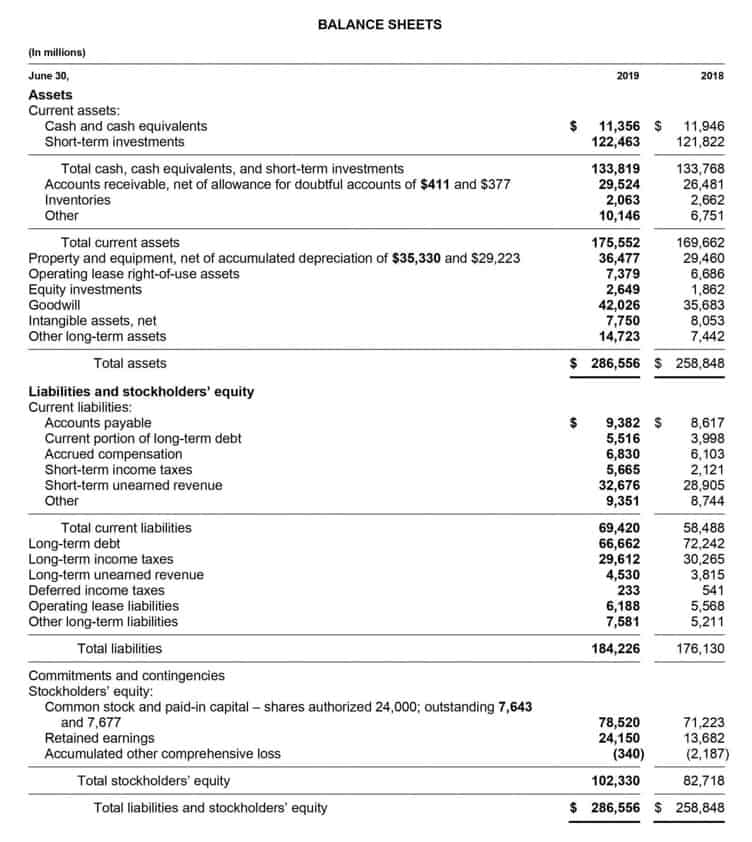
Retained earnings appear in the balance sheet as a component of stockholders equity. It reconciles the beginning balance of net income or loss for the period, subtracts dividends paid to shareholders and provides the ending balance of retained earnings. Instead, they reallocate a portion of the RE to common stock and additional paid-in capital accounts. This allocation does not impact the overall size of the company’s balance sheet, but it does decrease the value of stocks per share. A statement of retained earnings shows changes in retained earnings over time, typically one year.
Factoring in the Net Income or Loss

Both of these options ensure you have some helpful KPIs on hand and give you a broader look at your company’s overall financial health. A fluctuating retention ratio year in unearned revenue and year out suggests on-the-fly financial decisions rather than a clear-cut financial plan—which is essential for long-term success. Make sure to have ‘add’ before net income since it represents money coming into the business and ‘less’ before dividends because of money going out.